
Listen up, Philadelphia homeowners. You think you know your AC tech? You trust them to keep your home cool and your wallet intact when the summer heat hits hard. But what if I told you there are crucial things they're deliberately leaving out?
We're talking about insider knowledge – the kind of vital information that could save you a fortune on repairs, boost your system's life, and stop you from getting ripped off. These aren't minor oversights; they're shocking secrets you need to know.
Forget everything you thought you knew about AC service. This isn't about blaming anyone, but about empowering YOU. We’re pulling back the curtain on the HVAC industry right here in Philly to expose the seven crucial facts your AC professional won't share.
It's time to get the real story behind your home's air conditioning system and arm yourself with the truth. Keep reading to uncover what’s really going on.
Secret #1: The "Freon" Myth & Why Recharges Aren't Always the Fix
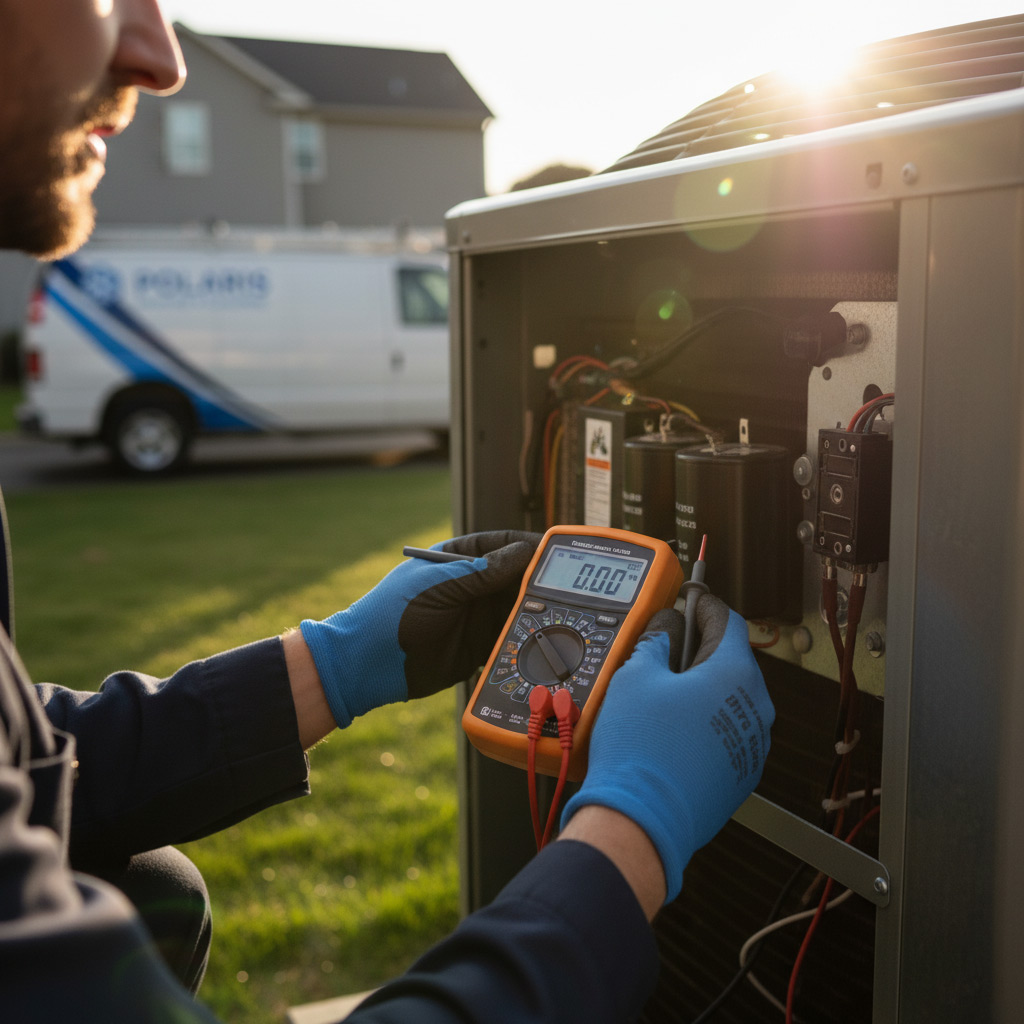
Here’s a common scenario: your AC isn't blowing cold, and the tech says, "You're low on Freon; you just need a recharge." Sounds simple, right? Wrong. That’s like refilling your car's leaky tire without patching the hole. First off, "Freon" (specifically R-22) is practically a ghost from the past for residential systems here in Philly. It’s been largely phased out due to environmental regulations, and systems using it are becoming relics. If your tech is still casually talking about "Freon," they might be living in the past – or deliberately simplifying a more complex issue.
The real secret? Your AC system is a sealed unit. It doesn't "use up" refrigerant like a car uses gas. If it’s low, that means there’s a leak. Period. A quick "recharge" without finding and fixing that leak is a short-term fix at best, and a major rip-off at worst. You're literally pouring money into a hole, only to face the exact same problem, and another service call, a few months later.
What your tech *should* be telling you:
- Low refrigerant equals a leak: This is non-negotiable. If your system is low, there's a breach somewhere.
- The cost trap: Each recharge costs you money. Repeated recharges for the same leak can add up to hundreds, even thousands, over time – far more than a proper repair.
- System damage: Running a system low on refrigerant for extended periods can severely damage the compressor, leading to an extremely expensive replacement. That "band-aid" could cost you a whole new unit.
Always insist on a leak detection service before any refrigerant is added. Knowing this simple truth can save your wallet and your system.
Secret #2: The Hidden Costs of "Band-Aid" Repairs That Lead to Bigger Problems
You’ve heard it before: a quick fix, a cheap repair, and your AC is blowing cold air again. Sounds great, right? Wrong. Many technicians, often to keep the initial quote low or simply due to a lack of thoroughness, will perform what we call "band-aid" repairs. These aren't solutions; they're temporary patches on a problem that demands a full diagnosis.
Think of it like this: your car has a persistent engine light, and instead of fixing the underlying issue, a mechanic just resets the sensor. The light goes off for a bit, but the real problem is still there, quietly getting worse. With your AC, this means recurring breakdowns, often at the absolute worst times – like during a brutal August heatwave in Philadelphia.
These so-called savings quickly vanish, replaced by much bigger financial headaches. Here’s why those quick, cheap repairs often cost you far more in the long run:
Chronic Breakdowns:
A band-aid doesn't fix a systemic issue. You’ll be calling for service repeatedly, paying for each visit, and enduring uncomfortable outages.Skyrocketing Energy Bills:
An unresolved problem means your AC works harder and less effectively. This drains more electricity, turning your utility statement into a shocking surprise.Premature System Failure:
Ignoring the root cause accelerates wear and tear on your entire unit. This can shave years off your AC’s lifespan, forcing you into a full system replacement long before you should have to. That’s a five-figure problem born from a two-figure "fix."Voided Warranties:
Sometimes, unauthorized or improper repairs by a less-than-reputable tech can actually void your manufacturer’s warranty, leaving you completely exposed when a major component fails.
Always insist on a proper diagnosis and a repair that addresses the true problem, not just its symptoms. Otherwise, you’re just paying to delay the inevitable – and pay more for it later.

Secret #3: Your Warranty is Gold – And Why They Don't Always Remind You to Use It
Your air conditioning system, especially if it's less than 10 years old, almost certainly came with a manufacturer's warranty. This isn't just a dusty piece of paper in a drawer; it's a powerful financial safety net designed to protect you from unexpected and expensive part failures. It covers the cost of replacement parts, and sometimes even labor for a limited time, meaning significant savings for your Philly household.
So why aren't AC techs always eager to remind you about this valuable protection? The truth is stark: a warranty repair often means less profit for the service company. When parts are covered by the manufacturer, they can't mark up the cost, and sometimes the reimbursement for labor isn't as lucrative as billing you directly. It's simply not in every company's immediate financial interest to push for a warranty claim, even if it's in *your* best interest.
Don't leave money on the table. It's your job to know your warranty status and leverage it. Here's how to empower yourself:
-
Locate Your Warranty Info
Dig out your original installation documents or check the manufacturer's website. Most systems require registration within a certain timeframe (often 60-90 days) to get the full warranty period. If you didn't register, you might still have a basic warranty.
-
Understand What's Covered
Typically, major components like the compressor, coils, or heat exchanger are covered for many years. Labor coverage is often shorter, sometimes only 1-5 years. Know your dates!
-
Ask Directly, Every Time
Before any major repair, look your tech in the eye and ask: "Is this repair, including parts and labor, covered under my manufacturer's warranty?" Demand a clear answer and request they check the warranty status before beginning work. This simple question can save you hundreds, even thousands, on a single repair.
Secret #4: The Real Secrets to Maximizing Your AC's Lifespan (Beyond the Annual Tune-Up)
Your annual AC tune-up is a solid step, a good baseline check-up for your system. However, if you rely solely on that yearly visit, you're missing powerful ways to extend your unit's life significantly. Proactive care you provide yourself makes a huge difference.
The truth is, much of your air conditioner's longevity comes down to consistent, simple maintenance tasks often overlooked or never mentioned. These aren't big, complicated jobs; they're quick checks that prevent wear and tear before it starts.
Don't Ignore the Drain Line
A common culprit for frustrating AC shutdowns, especially during humid Philly summers, is a clogged condensate drain line. This line carries away moisture, and when it backs up, it triggers safety switches to prevent water damage.
- Preventive Flush: Once a month, pour a cup of distilled vinegar down the access port of your drain line. This simple act dissolves sludge and algae, keeping the path clear.
- Neglecting this can lead to expensive water damage, mold growth, and a completely dead system right when you need it most. It's a five-minute job that saves headaches.
Your Outdoor Unit Needs Space to Breathe
The condenser unit outside your home works hard to release heat, and it needs unobstructed airflow to perform correctly. When it’s choked by debris, it struggles, causing your compressor to work harder and wear out faster.
- Clear the Perimeter: Maintain at least two feet of clear space around the entire unit. Regularly trim back bushes, pull weeds, and remove any leaves, grass clippings, or other yard waste.
- Gentle Rinse: Annually, after you've turned off the power at the breaker, gently hose down the coil fins from the inside out. This removes dirt and dust accumulation without bending the delicate fins.
Master Your Thermostat, Master Your AC's Life
Constantly letting your home get super hot, then cranking the AC down to arctic temperatures, stresses your system more than you think. This "on-off-blast" cycle puts immense strain on your compressor, the heart of your unit.
Instead, aim for smaller, more gradual temperature adjustments. Use a programmable or smart thermostat to set comfortable temperatures throughout the day, or slightly raise the temperature when you're away. This keeps your AC running in more stable, less strenuous cycles, dramatically extending its life and cutting your energy bills.

Secret #5: Simple DIY Checks That Could Save Your Philly Home a Costly Service Call
Before you ever dial a technician, stop. Seriously. A shocking number of service calls, especially here in Philly, are for issues you can fix yourself in minutes. We're talking about simple troubleshooting steps that don't require any special tools or training, just a few minutes of your time.
Think about it: A tech charges for their time, travel, and diagnosis. Why pay for someone to flip a switch or clean a filter you could have handled? Knowing these quick checks can literally save you hundreds, even thousands, over the years.
Your DIY AC Troubleshooting Checklist:
- Thermostat Settings: Is it set to "Cool"? Is the temperature actually lower than your current room temp? Sometimes, it's just a misplaced finger or a child's curious touch. Also, double-check if your fan is set to "Auto" and not "On."
- The Mighty Air Filter: This is a big one, Philly. A clogged, dirty air filter is the number one killer of AC performance and can cause freezing, poor airflow, and even system shutdowns. Pull it out and check its condition; if it looks like a dusty carpet, replace it immediately.
- Circuit Breaker: Your outdoor unit (condenser) and indoor unit (air handler) each have a dedicated breaker. If your AC suddenly stops working, head to your electrical panel and look for tripped breakers. A quick flip can often restore power.
- Outdoor Unit Obstructions: Go outside and visually inspect your condenser unit. Is it surrounded by overgrown bushes, leaves, or even trash? Clear away any debris for at least two feet in all directions. Blocked airflow severely hurts performance.
These aren't magic tricks. They're common sense steps your technician knows you should do, but often won't explicitly walk you through unless you ask. Arm yourself with this knowledge and keep those repair bills down.
Case Study: How a Fairmount Homeowner Used These Secrets to Save Thousands
Let me tell you about Sarah, a homeowner right here in Fairmount. Last summer, her AC started blowing warm air. She called a tech, who quickly diagnosed "low Freon" and pushed for an expensive recharge, claiming it might even need a full system replacement if the leak was significant. The quoted price? Enough to make anyone sweat, even in a cool house.
But Sarah had just read our guide. She remembered Secret #1 about the "Freon" myth – that a leak *must* be fixed, not just topped off. She also recalled Secret #5: simple DIY checks. Before agreeing to anything, she walked outside, checked her outdoor unit, and sure enough, noticed ice forming on the copper line. A quick glance at her indoor unit revealed a dripping pan and a slightly clogged condensate drain line.
Armed with this knowledge, Sarah called a second, reputable HVAC company (doing her homework this time). She specifically mentioned the ice and the drain line. The new tech quickly confirmed a minor condensate blockage was causing the issue, leading to a freeze-up and restricted airflow – *not* a major refrigerant leak. A simple cleaning and inspection, costing a fraction of the first quote, fixed the problem, proving that a little insider knowledge can save you big money and prevent unnecessary upsells.
Final Words: Empowering Your AC Decisions in the City of Brotherly Love
You've just been handed the playbook. These aren't just "tips"; they're critical insights designed to put *you* in control of your home's comfort and your hard-earned money. No more blindly agreeing to services you don't fully comprehend.
From understanding the true meaning of a "recharge" to leveraging your warranty, you now possess the knowledge to ask the right questions. This means catching potential overcharges and ensuring you get lasting solutions, not just quick fixes, for your air conditioning repair needs.
Use these secrets to demand transparency and make informed choices. Your Philly home deserves an AC system that runs efficiently, lasts longer, and doesn't drain your bank account with unnecessary work. Be smart, be informed, and stay cool.
People Also Ask
Why do AC techs often recommend "Freon" recharges, and is it always the best fix?
A technician might suggest a refrigerant recharge, but it's only a temporary solution if an underlying leak isn't found and repaired first. A persistent leak indicates a deeper issue that needs proper diagnosis to prevent recurring problems and costs.How can I avoid costly "band-aid" AC repairs that lead to bigger problems?
To avoid recurring issues, always ask your technician for a comprehensive diagnosis and discuss long-term solutions rather than just patching symptoms. Insist on understanding the root cause of the problem to prevent minor issues from escalating into major expenses.How do I know if my AC repair in Philadelphia is covered by a warranty?
Always check your original installation paperwork or contact your AC manufacturer with your unit's serial number to confirm warranty coverage before any major repair. Reputable HVAC companies should also assist you in exploring any applicable warranties to save you money.What simple DIY checks can I perform before calling a Philadelphia AC repair service?
Before calling for service, check your thermostat settings, ensure your air filter isn't clogged, and clear any debris from around your outdoor unit. These quick DIY steps can often resolve common issues and potentially save you from an unnecessary service call.Beyond annual tune-ups, what truly maximizes my AC unit's lifespan in Philly?
Regularly changing air filters, keeping your outdoor condenser unit clean and free of obstructions, and ensuring your home has proper insulation significantly extend your AC's life. Addressing small issues promptly also prevents larger breakdowns and maintains system efficiency.
Philadelphia HVAC brings extensive expertise to heating and cooling systems throughout the city. Their experienced team understands Philadelphia's climate needs, providing reliable solutions for local homes and businesses.
Need HVAC?
Expediting key outcomes, we provide efficient service and swift resolution for clients within Philadelphia and surrounding communities.
Get a Fast Quote