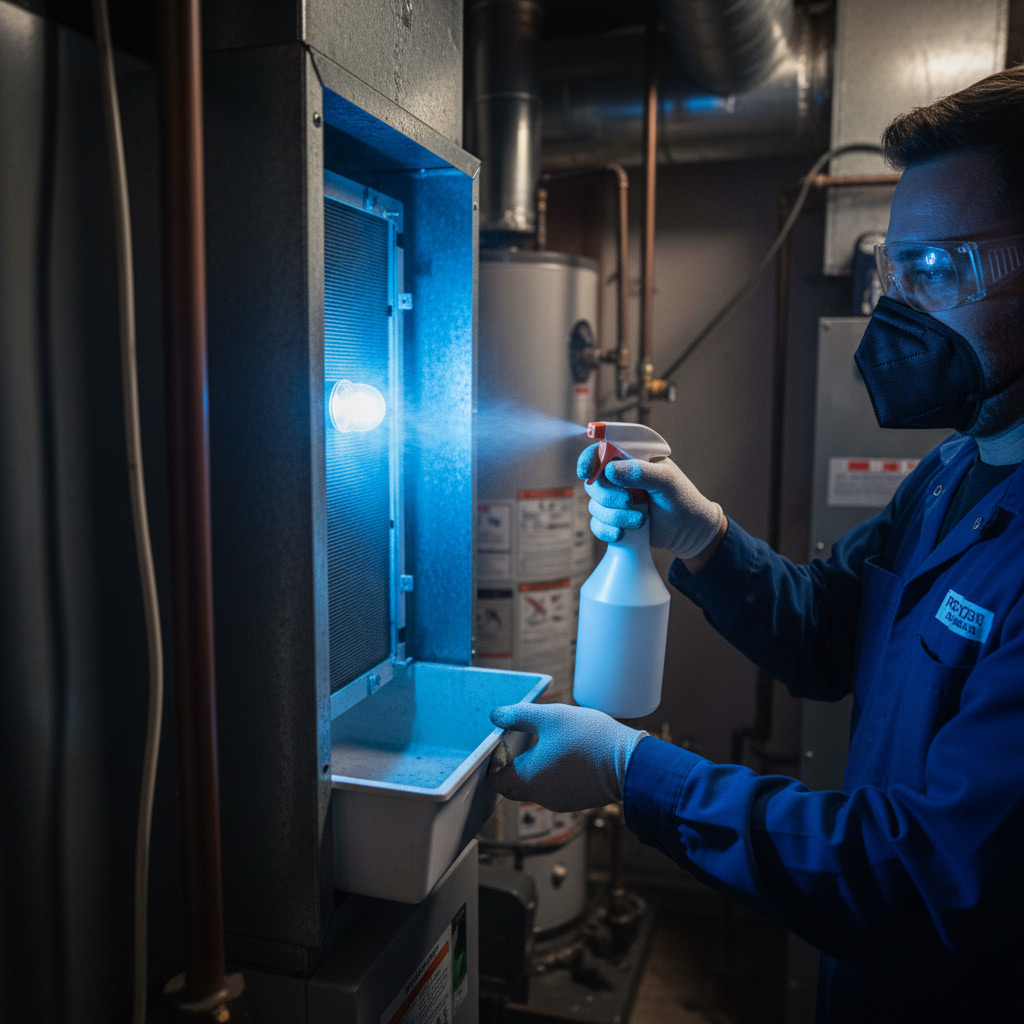
Picture this: It's the dead of winter in Philadelphia, and your heating system just quit. Or worse, you’ve just invested in a brand-new furnace, only to find your energy bills are through the roof or your house still feels like an icebox.
That gut-wrenching feeling of wasted money and endless cold is exactly what happens when you make critical mistakes during a heating installation. For something as vital as keeping your home warm and your family safe, you simply can't afford to get it wrong.
You’re about to spend thousands, so let's make sure that investment pays off and doesn't become a money pit. We’ve seen these exact scenarios play out countless times across Philly, and they always boil down to a few common, yet easily avoidable, missteps.
Before you even think about signing on the dotted line for a new heating system, keep reading to uncover the five costly blunders most homeowners stumble into – and how you can expertly dodge them all.
Blunder 1: Miscalculating System Size – The "Too Big, Too Small" Trap
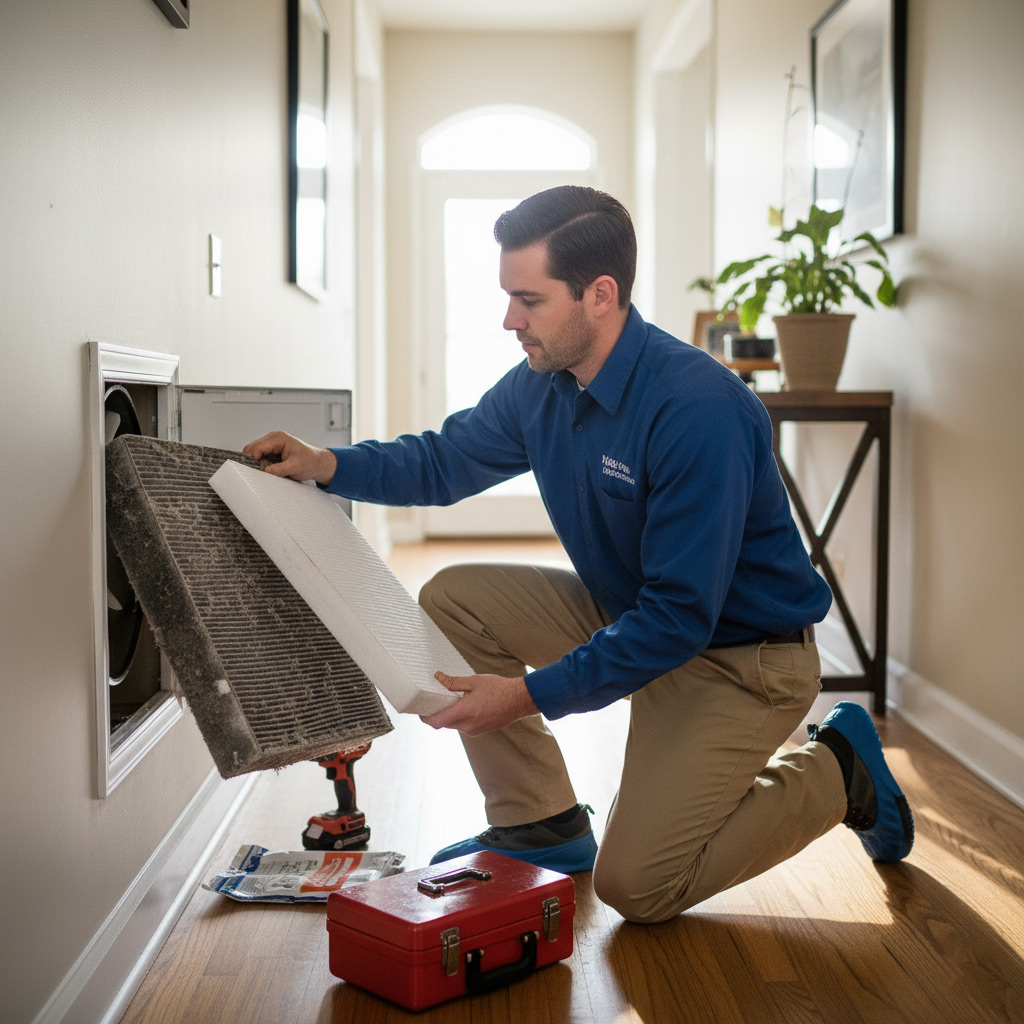
Here’s a truth bomb about heating installations: one of the quickest ways to incinerate your money is to install a system that’s the wrong size for your Philadelphia home. We see it all the time – homeowners either think “bigger is better” or they try to pinch pennies with something undersized. Both routes are expensive dead ends.
Consider the pain of an oversized heating system. It cycles on and off too frequently, a process known as “short cycling.” This not only wastes a staggering amount of energy, making your utility bills balloon, but it also causes premature wear and tear on vital components. You’re essentially paying for a Ferrari that only drives a block at a time, wearing out its engine far too soon.
On the flip side, an undersized heating system brings its own set of frustrations. During those brutal Philly winters, it will run almost constantly, struggling fruitlessly to reach your desired temperature. Your home stays uncomfortably cool, and despite the non-stop operation, your energy consumption goes through the roof. It’s like trying to heat a stadium with a single candle – a losing battle every time.
The Real Solution: Precision Heat Load Calculation
So, what’s the secret to getting it right? It’s not guessing, and it's certainly not relying on square footage alone. A professional HVAC contractor performs a meticulous heat load calculation.
- This involves assessing crucial factors like your home’s insulation levels, window efficiency, ceiling height, and even the direction your house faces.
- It accounts for every detail, ensuring your new system provides perfect, consistent comfort without wasting a single dime on unnecessary BTUs or struggling to keep up.
Ignoring this step means your comfort and your wallet are both at risk, guaranteed.
Blunder 2: Choosing the Wrong Installer – Why Expertise Trumps the Lowest Bid
It's tempting, isn't it? You get a few quotes for your new heating system, and one stands out because it's significantly cheaper. Many Philadelphia homeowners fall into this trap, believing they're snagging a deal. But when it comes to HVAC installation, the lowest bid often signals a major red flag, costing you far more than you saved in the long run.
A reputable, experienced installer does more than just swap out equipment. They understand the intricacies of your home’s specific layout, the unique climate demands of Philadelphia, and the proper sizing requirements. They are licensed, insured, and factory-trained, ensuring your system is installed not just correctly, but also safely and according to all local codes.
Opting for a cut-rate, unverified contractor can lead to a nightmare scenario. Think improper venting causing carbon monoxide risks, inefficient operation driving up your energy bills, or even a completely voided manufacturer warranty because the installation wasn't up to standard. Your heating system is a critical investment; don't compromise its lifespan and your family's safety to save a few hundred bucks upfront.
Blunder 3: Ignoring Modern Efficiency & Technology – Missing Out on Real Savings
Many Philly homeowners fixate on the initial sticker price. But choosing a cheaper, less performant system is a classic short-sighted move. It’s like buying a car with terrible gas mileage just because the upfront cost was lower. You’ll regret it every month, year after year, as your utility bills pile up.
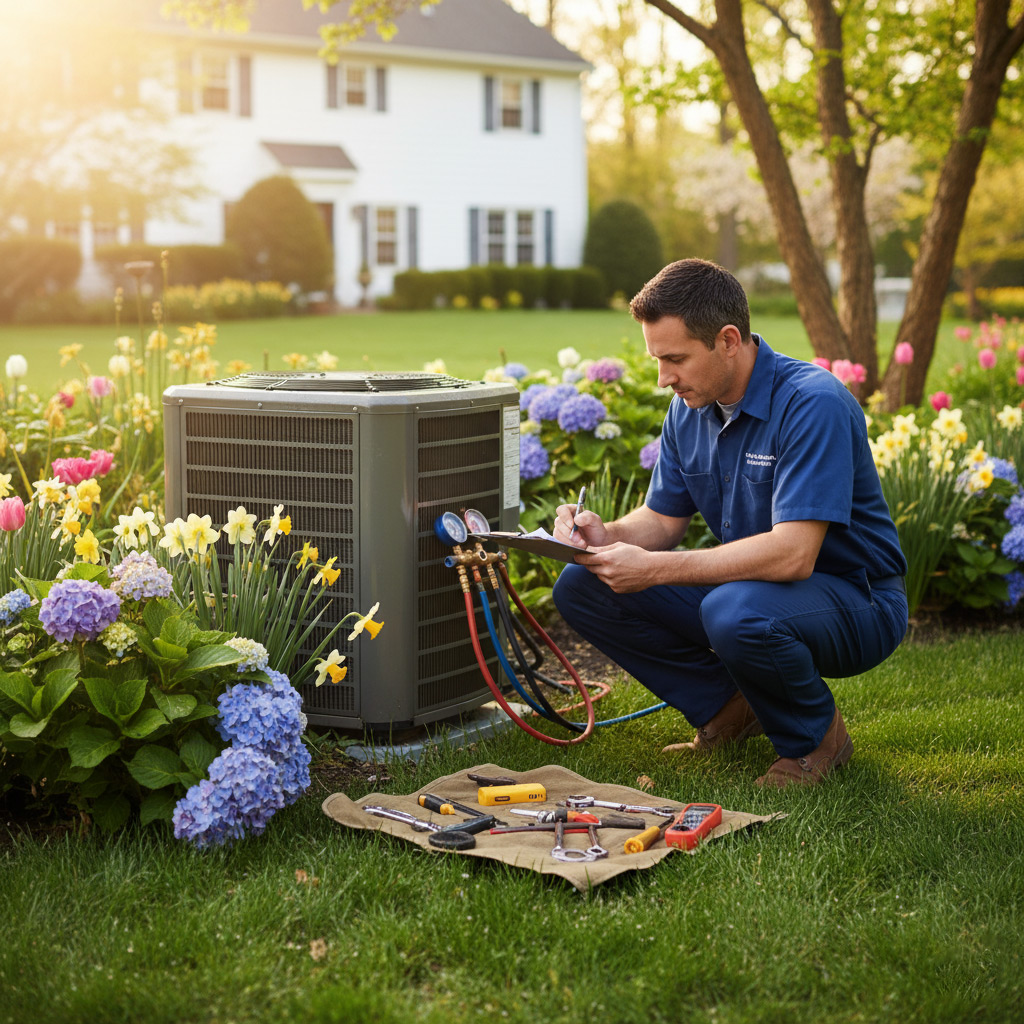
Today’s heating systems are a different beast entirely. They feature innovations designed to cut your energy use dramatically. Consider:
- Variable-speed blowers that precisely control airflow.
- High AFUE (Annual Fuel Utilization) ratings that turn more fuel into actual heat.
- Smart thermostats that learn your habits and fine-tune temperatures.
- Zoning systems that let you warm only the rooms you’re occupying.
These aren't just bells and whistles; they are serious money-savers.
Skipping these modern advancements means you’re essentially signing up for higher utility bills for the next 10-15 years. It’s a guaranteed drain on your wallet. Investing a bit more initially for a model with superior energy performance pays significant dividends fast, especially with Philadelphia’s cold, biting winters. Don’t leave serious cash on the table by settling for outdated tech.
Blunder 4: Overlooking Permits, Inspections & Local Code Compliance
You’re making a major investment in your home’s comfort and value. The last thing you want is a legal headache or a system that’s not up to snuff with Philadelphia’s strict safety standards.
Believe it or not, skipping the proper permits and inspections is a common blunder that can cost you dearly. It’s not just about paperwork; it’s about ensuring your new heating system is installed safely and correctly, protecting your home and family.
The Hidden Risks of Cutting Corners
Many homeowners think permits are an annoyance, but they’re your safeguard. Without them, you risk:
- Fines and Penalties: The City of Philadelphia doesn't play around. Install without a permit, and you could face significant financial penalties.
- Forced Re-installation: If an unpermitted installation is discovered, you might be required to tear out and reinstall the system, doubling your costs.
- Insurance Nightmares: In the event of a fire or other incident related to your heating system, your insurance company could deny coverage if proper permits and inspections weren't obtained.
- Resale Problems: When it's time to sell your Philly home, unpermitted work will absolutely show up on inspections and can derail your sale.
A reputable HVAC contractor in Philadelphia understands the local codes inside and out. They know exactly what permits are required for furnace, boiler, or heat pump installations and handle all the necessary filings and inspections. This isn't just a convenience; it’s a non-negotiable part of a professional installation that keeps you protected.
Blunder 5: Skipping Post-Installation Checks & Warranty Verification
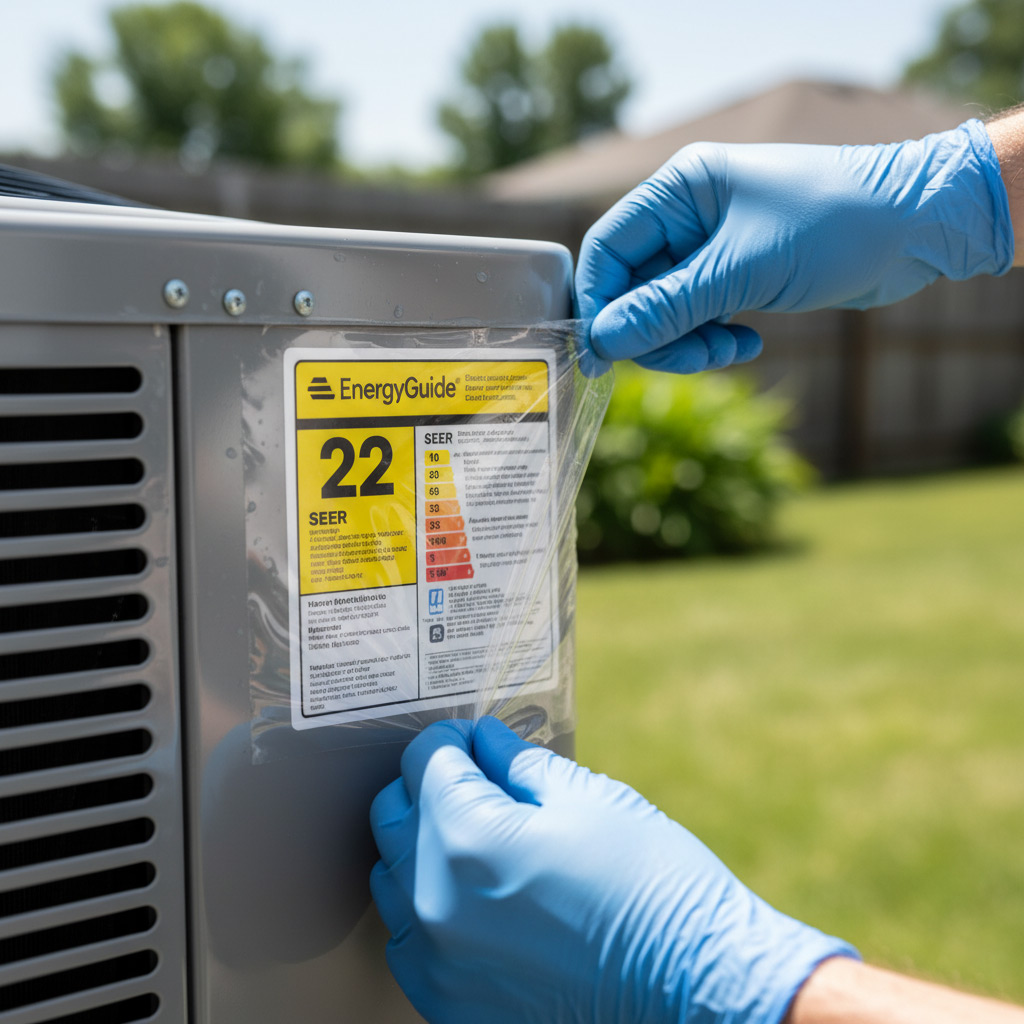
The installation crew just packed up and left. Your brand-new heating system is humming. This is not the moment to kick back and assume everything's perfect. You’ve just made a significant investment; now it’s time to confirm you got what you paid for, and that it’s actually working as promised. Think of these final checks as your personal quality control before you sign off on a job well done.
Your Post-Installation Checklist: Don't Miss a Beat
- Operational Test: Is the system running smoothly in all modes? Does it heat your home evenly, without strange noises or smells?
- Thermostat Accuracy: Confirm your new thermostat is calibrated correctly and communicating with the system.
- Airflow Verification: Feel the vents. Is the airflow strong and consistent across all rooms, even those notorious cold spots in older Philly homes?
- Leak & Venting Check: Visually inspect for any water leaks or improper venting. This is critical for safety.
Then comes the warranty. That warranty document isn't just paper; it's your financial shield against future headaches. If you don't register it, or don't understand its terms, you might as well have no warranty at all. Make sure you fully grasp what's covered, for how long, and what specific conditions might void it.
Failing to conduct these simple, yet crucial, post-installation checks and warranty verifications is a classic blunder that often leads to bigger, costlier issues down the road. Hidden problems can fester, eventually causing a major breakdown, and without a properly registered warranty, you’ll be on the hook for every penny of the repair. Protect your heating investment from day one – your wallet, and your comfort, will thank you.
Philly Homeowner Success: How One Family Dodged These Blunders for Lasting Comfort
Take the O'Malley family from South Philly. Their old furnace was on its last legs, struggling to keep their rowhome warm. Instead of panicking and grabbing the first "deal" they saw, they took a smarter approach.
They started by calling a couple of trusted, local HVAC companies for detailed assessments, not just quick quotes. This meant getting a thorough load calculation to ensure the perfect system size, completely sidestepping the "too big, too small" trap. They also specifically asked about high-efficiency options, realizing the upfront cost was an investment in lower future energy bills.
The O'Malleys insisted on seeing proof of licensing and insurance, confirming their chosen installer handled all permits and arranged final inspections. Post-installation, they carefully walked through the work, tested everything, and made sure their warranty was fully documented. Today, their home is consistently warm, their energy bills are noticeably lower, and they have complete peace of mind, proving that a little upfront diligence pays off big time in comfort and savings.
Final Words: Securing Your Philadelphia Home's Heating Investment
Investing in a new heating system for your Philadelphia home is more than just a purchase; it's a commitment to comfort, safety, and long-term financial health. The price tag on a new furnace or heat pump is substantial, and getting it wrong means those dollars vanish into thin air, leaving you with frustration and continued discomfort.
Think of it this way: every penny saved by dodging these blunders is a penny earned in consistent warmth and lower utility bills. Choosing wisely means your home stays cozy through the harshest Philly winters, and your bank account isn't drained by constant repairs or shockingly high energy statements.
Don't let costly mistakes turn your heating upgrade into a headache. Partner with proven professionals who understand Philadelphia's unique climate and housing stock. For dependable solutions that truly deliver, explore our Heating System Installation services and ensure your investment provides lasting peace of mind.
People Also Ask
How can I ensure my new heating system is correctly sized for my Philadelphia home?
To ensure correct sizing, insist on a professional load calculation, often referred to as a Manual J, from your HVAC contractor. This detailed assessment considers factors like your home's square footage, insulation levels, window types, and air leakage to determine the precise heating capacity needed for optimal comfort and efficiency. Avoiding guesswork is crucial to prevent issues from a system that's either too large or too small.What are the risks of hiring an unlicensed HVAC installer for my heating system in Philly?
Hiring an unlicensed installer poses significant risks, including shoddy workmanship that leads to premature system failure and safety hazards like carbon monoxide leaks. Furthermore, your system's warranty may be voided, and you could face fines or difficulties selling your home if the installation doesn't comply with Philadelphia's building codes and requires permits. Always choose a fully licensed and insured professional.Are permits required for heating system replacement or installation in Philadelphia?
Yes, permits are typically required for new heating system installations and major replacements in Philadelphia to ensure the work meets local safety and building codes. Your licensed HVAC contractor should handle the permit application process and schedule necessary inspections. This step is vital for your safety, home value, and compliance.What energy-efficient heating options are best for Philadelphia homes?
For Philadelphia homes, high-efficiency gas furnaces (90% AFUE or higher) and modern heat pumps are excellent energy-efficient choices, especially when paired with smart thermostats. Heat pumps offer both heating and cooling, providing year-round comfort and significant energy savings due to their ability to transfer heat rather than generate it. Your home's specific needs and existing infrastructure will determine the best fit.What steps should I take after a new heating system is installed to confirm everything is correct?
After installation, verify that the system is functioning correctly by testing both heating and fan modes, and ensure all registers are producing warm air evenly. Confirm you have received all warranty information, owner's manuals, and documentation of the completed work and passed inspections from your installer. A reputable contractor will provide a thorough walkthrough and answer any questions.
Philadelphia HVAC offers seasoned expertise in comprehensive heating and cooling solutions. Their experienced team understands the unique climate needs of Philadelphia. Committed to comfort, they serve homes and businesses across the city.
Need HVAC?
Expediting key outcomes, we provide efficient service and swift resolution for clients within Philadelphia and surrounding communities.
Get a Fast Quote